10 Must-Have Mobile Marketing Tools for SMEs in 2026
Mobile now accounts for the majority of web traffic globally, and consumer behavior has shifted accordingly. Small and medium-sized businesses that treat mobile marketing as an afterthought are leaving real revenue on the table. The good news: the barrier to entry has never been lower. The right combination of tools lets a two-person marketing team run campaigns that would have required a full agency five years ago.
This list focuses on tools that are genuinely SME-friendly — affordable, easy to deploy, and capable of delivering results without a dedicated developer on staff.
Why Mobile Marketing Is Non-Negotiable for SMEs in 2026
Mobile is no longer a channel — it's the primary screen where purchase decisions happen. Customers search, compare, scan, and buy from their phones, often without ever switching to a desktop.
For SMEs, this creates both pressure and opportunity. Pressure, because competitors with larger budgets are already investing heavily in mobile-first experiences. Opportunity, because mobile marketing tools have democratized access — QR codes, SMS platforms, and lightweight landing page builders give small teams the same reach as enterprise campaigns, at a fraction of the cost.
The key shift in 2026 is the normalization of the app-less mobile experience. Customers no longer need to download anything to engage with a brand. A well-placed QR code on a product package, receipt, or storefront window can trigger a personalized landing page, a loyalty check-in, or a discount — instantly. SMEs that understand this mechanic have a genuine edge.
What to Look for in a Mobile Marketing Tool (SME Checklist)
The best mobile marketing tool for an SME is the one your team will actually use consistently. That sounds obvious, but tool selection often goes wrong when businesses prioritize features over practicality.
Before committing to any platform, run it through this checklist:
- Ease of use: Can a non-technical team member set up and run a campaign without IT support?
- Pricing transparency: Is the pricing model predictable as you scale? Watch for per-contact fees that balloon quickly.
- Integration capability: Does it connect to your CRM, ecommerce platform, or email tool via native integration or Zapier?
- Mobile-first design: Are the outputs — landing pages, forms, messages — optimized for small screens by default?
- Conversion tracking: Can you measure what happens after the click or scan, not just that it happened?
- Support quality: Responsive support matters more at the SME level, where there's no in-house expert to troubleshoot.
One trade-off worth naming upfront: tools with the best integrations often have steeper learning curves. If your team is small, a slightly less powerful tool that gets used daily beats a feature-rich platform that sits idle after the first month.
QR Code & App-Less Engagement Tools
QR code generators are the most accessible entry point into mobile marketing for SMEs — no app required, no friction for the customer, and measurable from day one.
The category has matured significantly. Modern QR code generators do far more than produce a scannable image. The best ones offer dynamic QR codes (editable destination URLs without reprinting), scan analytics, branded design customization, and the ability to link to mobile-optimized landing pages.
A retail SME can place a QR code on product packaging that links to a tutorial video, a review request, or a reorder page — all without building a custom app. That's a genuine customer engagement mechanic available to any business with a printer and a smartphone.
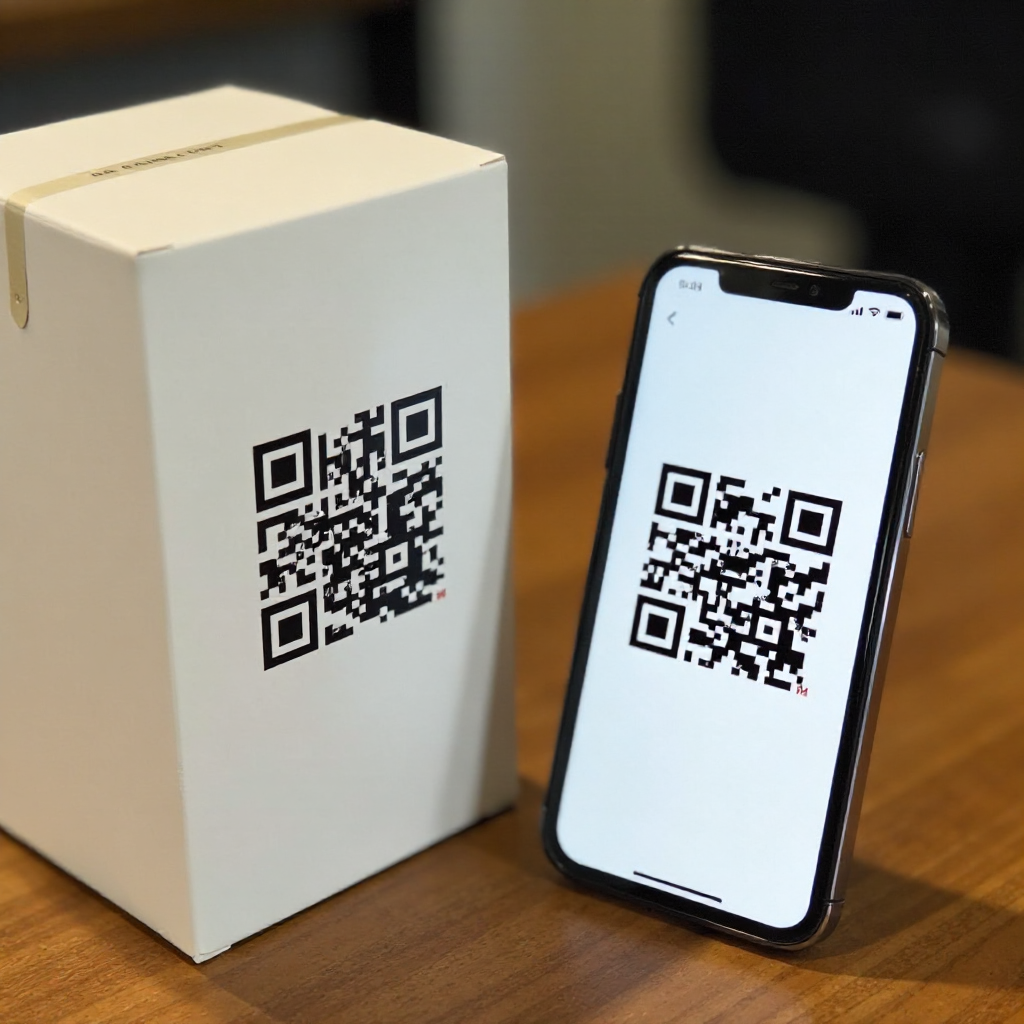
When evaluating QR tools, prioritize dynamic codes over static ones. Static QR codes can't be updated after printing — a costly limitation if your campaign destination changes. Dynamic codes let you redirect scans to new URLs, run A/B tests on destinations, and track performance by location or time period.
Tools worth considering in this category include QR code platforms with built-in landing page builders, which collapse two tools into one and simplify your stack from the start. Some also support deep linking — routing users to specific in-app content if they have the app installed, or to a mobile web fallback if they don't.
SMS & Push Notification Platforms
SMS marketing delivers open rates that no other channel consistently matches — industry figures regularly cite rates above 90%, compared to 20–30% for email. For SMEs that need reliable reach, SMS is hard to argue against.
The most SME-friendly SMS marketing platforms in 2026 combine message sending with basic marketing automation — drip sequences, triggered messages based on customer actions, and segmentation by purchase history or location. Klaviyo, Attentive, and SimpleTexting each serve different SME segments; the right choice depends on whether you're ecommerce-focused or service-based.
Push notification tools work differently — they require a web or app touch point to collect opt-ins, but once you have them, they're free to send and reach customers even when they're not browsing your site. For SMEs with established web traffic, push notifications are an underused channel.
One honest limitation: SMS requires explicit opt-in and careful compliance with regulations like TCPA (in the US) and GDPR (in Europe). List-building takes time, and sending unsolicited messages carries real legal risk. Budget time for proper list hygiene, not just message creation.
Mobile Analytics & Conversion Tracking Tools
Measuring mobile-specific behavior — QR code scans, SMS click-throughs, session depth on mobile landing pages — is what separates campaigns that improve over time from ones that plateau.
Generic web analytics tools often fall short here. Conversion tracking for mobile campaigns requires platforms that can attribute a scan or a tap to a downstream action: a purchase, a form fill, a phone call. Without that attribution, you're optimizing blind.
Google Analytics 4 handles mobile web behavior well and is free, making it the default starting point for most SMEs. For QR-specific analytics, the QR platform itself should provide scan data by device, time, and location. Where things get more powerful — and more complex — is combining these data streams into a unified view of the customer journey.
Tools like Mixpanel or Amplitude offer event-based mobile analytics that go deeper than page views, tracking specific actions within a mobile session. They're overkill for many SMEs, but if your mobile campaigns drive significant revenue, the investment in proper attribution pays off quickly.
The practical minimum: every campaign should have a UTM-tagged URL, a defined conversion event, and a weekly review of scan-to-conversion rates. That discipline alone puts most SMEs ahead of competitors flying blind.
Mobile Landing Page & Campaign Builders
A mobile landing page builder is the connective tissue of a QR or SMS campaign — it's what the customer actually sees after they scan or tap.
Standard website builders aren't optimized for this use case. Mobile campaign landing pages need to load in under two seconds, present a single clear call to action, and look clean on a 6-inch screen. Tools like Unbounce, Leadpages, and mobile-specific builders built into QR platforms are designed exactly for this.
The advantage of using a landing page builder that's native to your QR code tool is simplicity: one platform manages the code, the destination, and the analytics. The trade-off is that standalone builders like Unbounce offer more design flexibility and A/B testing depth, which matters once you're running enough volume to optimize meaningfully.
For SMEs just starting out, a native QR-plus-landing-page tool is the right call. For teams running multiple concurrent campaigns with serious conversion goals, a dedicated mobile landing page builder with robust testing features earns its place in the stack.
How to Build a Lean Mobile Marketing Stack for Your SME
The most effective SME mobile marketing stack is not the one with the most tools — it's the one your team executes consistently. Three to five well-chosen tools, used well, outperform a sprawling toolkit that creates coordination overhead.
A practical starting configuration for most SMEs:
- QR code generator with analytics — the foundation for app-less campaigns across physical and digital touchpoints
- SMS marketing platform — for direct, high-open-rate communication with opted-in customers
- Mobile landing page builder — to give every campaign a fast, focused destination
- Web analytics (Google Analytics 4) — to track conversion behavior without additional cost
- CRM or email platform with mobile integrations — to connect campaign data to the broader customer record
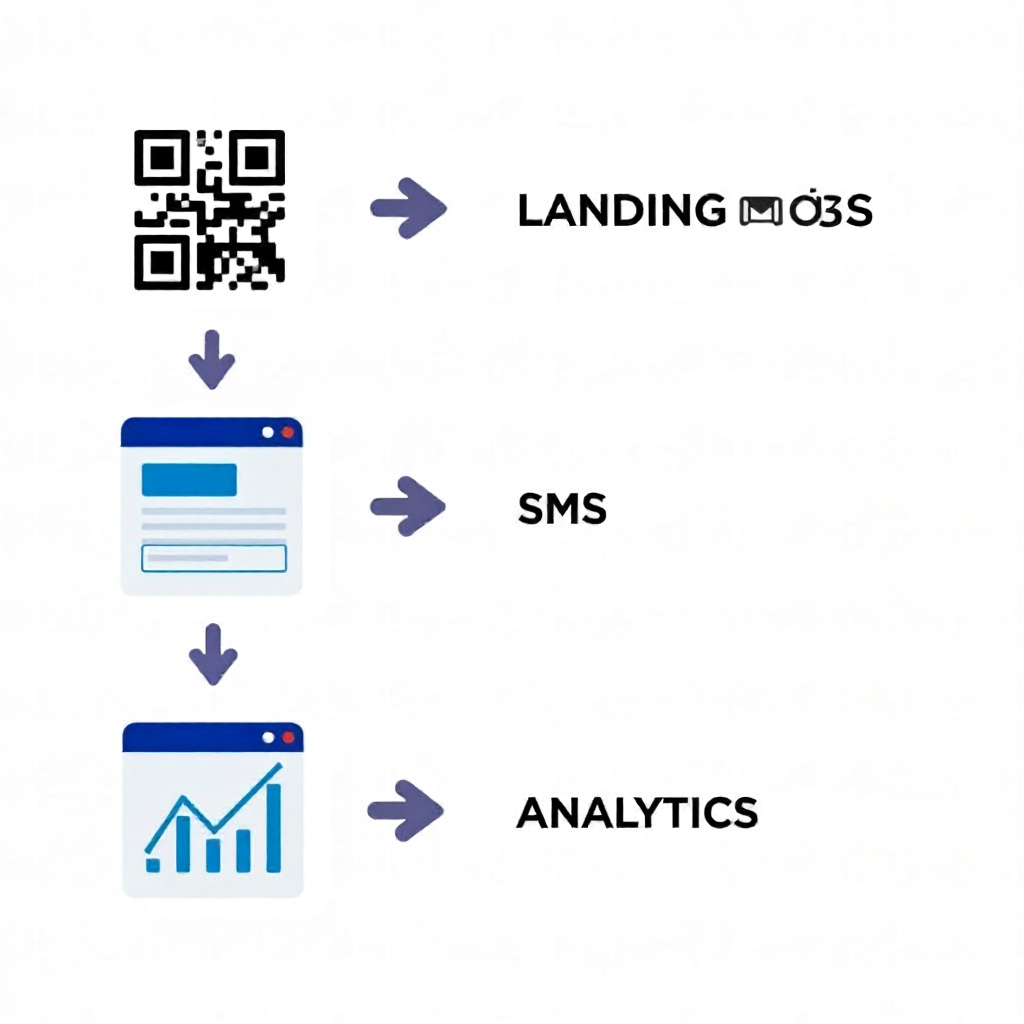
The sequencing matters. Start with the QR code tool and a landing page — that combination is deployable in a day and immediately measurable. Add SMS once you've built a compliant opt-in list. Layer in deeper analytics when campaign volume justifies the setup time.
Budget-wise, this stack can run comfortably under $150/month for an SME with a modest contact list, and the core QR-plus-landing-page layer can often be covered by a single platform subscription. Avoid the temptation to consolidate everything into one "all-in-one" suite too early — the best individual tools in each category still outperform generalist platforms in 2026.
Frequently Asked Questions
What is the best free QR code tool for small businesses?
Several QR platforms offer free tiers that cover basic static QR codes. For meaningful campaign use, a paid plan with dynamic codes and scan analytics is worth the cost — most start under $10/month. Free tools typically lock you into static codes, which can't be updated after printing and provide no performance data.
Do SMEs need a mobile app to run mobile marketing campaigns?
No. The app-less mobile experience — powered by QR codes, mobile landing pages, and SMS — gives SMEs all the reach of an app without the development cost or the friction of asking customers to install something. Most effective SME mobile campaigns run entirely in the mobile browser.
How do QR codes fit into an SMS or email marketing strategy?
QR codes work as a bridge between physical touchpoints and digital campaigns. A QR code on packaging or signage can drive customers to an SMS opt-in form, a landing page tied to an email sequence, or a direct purchase flow. They're most powerful when connected to a downstream engagement tool rather than used in isolation.
What mobile marketing metrics should SMEs track in 2026?
Focus on scan-to-click rate (for QR campaigns), SMS open and click-through rates, landing page conversion rate, and cost per conversion. Vanity metrics like total impressions or raw scan counts tell you reach, not results. Tie every campaign to a conversion event — a purchase, a sign-up, a phone call — and optimize from there.
Can mobile marketing tools integrate with CRM or ecommerce platforms?
Most established tools offer native integrations with platforms like Shopify, HubSpot, Mailchimp, and Salesforce, or connect via Zapier. Verifying integration compatibility before committing to a tool is worth the time — retrofitting a disconnected stack later is far more disruptive than choosing the right tool upfront.