Why SaaS Marketing Platforms Are Essential for SME Growth
The SME Growth Challenge: Why Traditional Marketing Falls Short
SMEs often struggle with limited resources and fragmented marketing efforts, making traditional marketing tactics inefficient and costly. Without digital tools, manual campaigns lack scalability and real-time insights, hindering growth and customer engagement.
Small and medium-sized enterprises frequently face hurdles such as unclear audience targeting, insufficient budget allocation, and difficulty measuring campaign success. Traditional print ads, cold calls, or standalone email blasts don’t provide the agility or data needed to optimize marketing performance. This leaves SMEs at a disadvantage compared to larger competitors leveraging advanced digital marketing strategies.
Moreover, traditional methods cannot easily integrate mobile marketing tools like SMS or QR codes, which are vital for reaching today’s on-the-go consumers. Without automation or analytics, SMEs waste time and money on guesswork instead of strategic, scalable marketing. This gap underscores the essential role SaaS marketing platforms play in modern SME growth.
What Are SaaS Marketing Platforms and How Do They Work?
SaaS marketing platforms are cloud-based software solutions that enable SMEs to create, automate, and analyze digital marketing campaigns efficiently. These platforms bundle essential tools—such as email marketing, social media management, lead generation, and data analytics—within a single interface accessible from any device.
By operating on a subscription basis, SaaS (Software as a Service) marketing platforms remove the need for costly infrastructure and IT maintenance. SMEs benefit from ready-to-use features that streamline customer engagement through automation, real-time metrics, and seamless integration with emerging technologies like QR codes and mobile marketing tools.
Core functionalities include campaign automation to reduce manual effort, data analytics to track performance and customer behavior, and scalability options that grow alongside the business. This flexibility allows SMEs to tailor their digital marketing strategy according to evolving market demands without upfront heavy investment.
Key Benefits of SaaS Marketing Platforms for SMEs
SaaS marketing platforms offer SMEs significant benefits such as automation, cost efficiency, scalability, and data-driven decision-making. These advantages help small businesses optimize marketing efforts without requiring extensive technical expertise or budget.
- Automation: Automating routine marketing tasks like email drip campaigns and social media postings saves time, allowing SMEs to focus on core operations.
- Real-time data analytics: Access to live performance metrics helps businesses quickly adjust strategies for better lead generation and customer engagement.
- Cost efficiency: Subscription pricing models and cloud deployment minimize upfront costs and eliminate the need for expensive software licenses or hardware.
- Scalability: SaaS platforms can easily scale to support growing user bases and new marketing channels without technical overhauls.
- Integration capabilities: Many platforms offer APIs or built-in tools to connect with mobile marketing and QR code technologies, enhancing campaign reach.
For example, an SME implementing automation through a SaaS platform can reduce manual email sending from hours to minutes while simultaneously tracking which leads convert best. This data insight drives more efficient allocation of marketing resources, boosting ROI over time.
Integrating QR Codes and Mobile Marketing Tools with SaaS Platforms
Integrating QR codes and mobile marketing tools with SaaS platforms enhances customer engagement by linking offline and online experiences seamlessly. This integration allows SMEs to track, personalize, and optimize their marketing campaigns effectively.
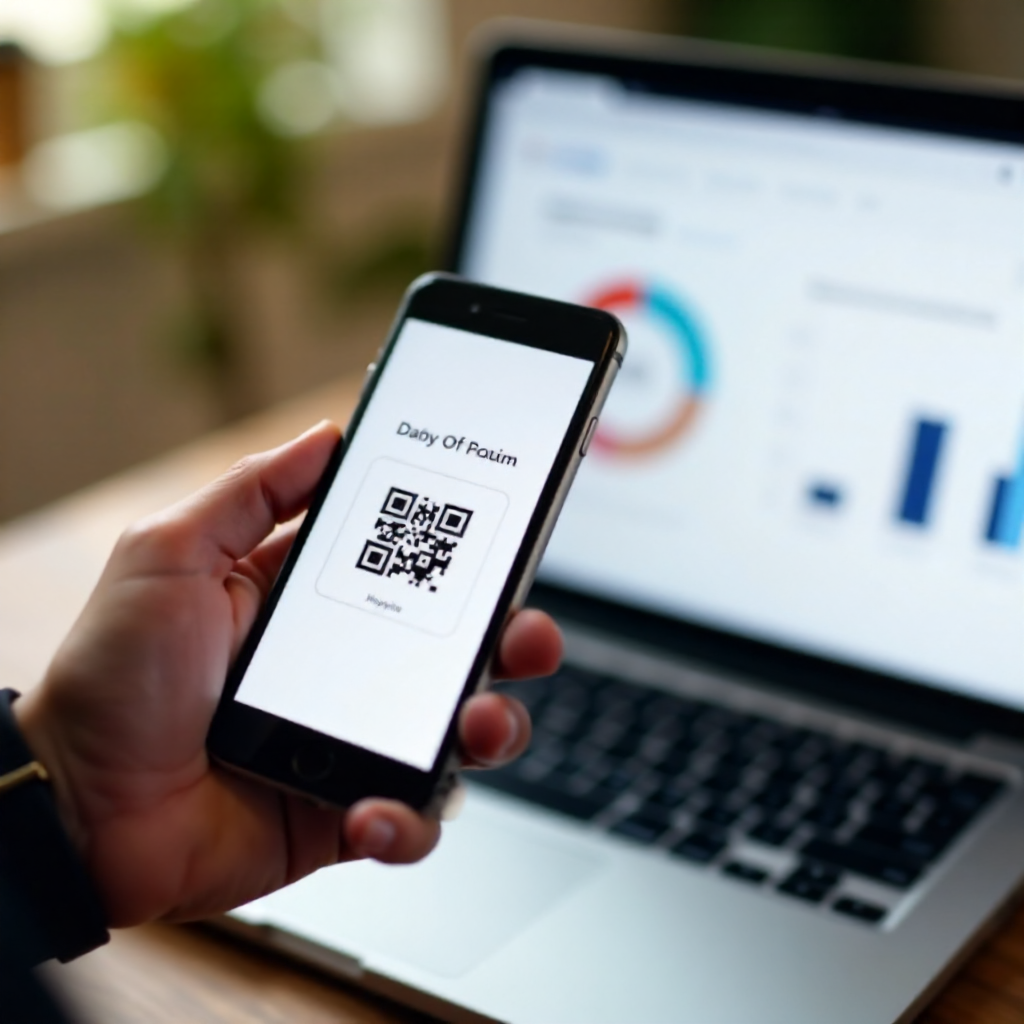
QR codes, when managed within a SaaS marketing system, enable instant connections to landing pages, discounts, or content from physical media like flyers and storefronts. Combined with mobile marketing capabilities such as SMS campaigns or push notifications, SMEs can orchestrate multi-channel campaigns that increase customer interaction and loyalty.
For instance, a coffee shop might use a QR code on takeaway cups linked to a digital loyalty program. The SaaS platform tracks scan rates, customer visits, and campaign conversions, providing actionable analytics in one centralized dashboard. This holistic view allows SMEs to refine offers and messaging based on real-time mobile user behavior.
How SaaS Platforms Empower SMEs to Compete and Scale
SaaS marketing platforms empower SMEs by providing competitive tools that were once exclusive to large enterprises. These platforms enable small businesses to launch sophisticated, scalable marketing campaigns that drive lead generation and brand growth without heavy upfront costs.
By leveraging automation and analytics, SMEs can quickly identify high-performing channels and tailor content for target audiences. This agility speeds up experimentation and optimization cycles, critical for competing in rapidly changing markets. Additionally, SaaS platforms simplify multi-channel marketing management, from email to social media to mobile, helping SMEs maintain consistent customer engagement.
Choosing a SaaS platform means gaining access to continuous updates and innovations without additional investments, keeping SMEs at the forefront of digital marketing trends. This technological edge levels the playing field, making growth more attainable through data-backed strategies and scalable marketing executions across diverse platforms.
Choosing the Right SaaS Marketing Platform for Your SME
Selecting the right SaaS marketing platform requires SMEs to evaluate features based on ease of use, integration options, scalability, and pricing to ensure it supports growth effectively.
- User-friendly interface: Platforms should minimize the learning curve for small teams often lacking dedicated marketing specialists.
- Integration with QR codes and mobile tools: Look for platforms offering native or API-based connections to enhance campaign reach and tracking.
- Automation and analytics: Ensure robust automation workflows and customizable reporting options are available for informed decision-making.
- Flexible pricing: Many platforms offer scalable subscription plans allowing SMEs to start small and expand features and users as needed.
- Customer support and training: Responsive support helps SMEs overcome setup hurdles and maximize platform value quickly.
Evaluating platforms through free trials or demos can provide insights into usability and compatibility with existing marketing processes. Prioritizing platforms tailored for SMEs ensures the selected tools integrate seamlessly with business goals and resources.
Future Trends: The Role of SaaS in SME Digital Transformation
SaaS marketing platforms will increasingly drive SME digital transformation by incorporating AI-powered personalization, predictive analytics, and even more seamless mobile integration. These advancements will enable SMEs to hyper-target customers and automate complex marketing workflows at affordable costs.
Emerging trends include AI chatbots integrated with marketing funnels, advanced customer data platforms combining offline and online behavior, and more sophisticated QR code functionalities linking physical and digital commerce. As SMEs adopt these evolving SaaS tools, they will better navigate competitive landscapes and optimize customer journeys end to end.
However, SMEs must remain mindful of data privacy regulations and technological overreliance while embracing innovation. Balancing automation with personalized human touchpoints will be key to sustainable growth.
Frequently Asked Questions (FAQ)
What features should SMEs look for in a SaaS marketing platform?
SMEs should seek ease of use, marketing automation workflows, real-time data analytics, integration with QR codes and mobile marketing tools, flexible pricing plans, and strong customer support.
How do QR codes enhance SaaS-driven marketing campaigns?
QR codes bridge offline and online marketing by providing instant access to digital content, offers, or loyalty programs. When integrated with SaaS platforms, they allow tracking of customer engagement and behavior, improving personalization and ROI.
Can SaaS marketing tools fit small budgets?
Yes, SaaS platforms often provide tiered subscription models that allow SMEs to start with essential features and scale as the business grows, making them affordable for small budgets.
How does automation in SaaS platforms save time for SMEs?
Automation reduces repetitive tasks like scheduling emails, posting on social media, and segmenting leads, enabling SMEs to focus on strategy and customer interactions instead of manual campaign management.
What metrics can SMEs track using SaaS marketing platforms?
SMEs can monitor lead generation rates, email open and click-through rates, campaign ROI, customer engagement metrics, conversion funnels, and real-time analytics related to QR code scans and mobile interactions.